
Stellantis Won’t Admit
It started the first day I drove away from the dealership eight years ago, leaving up north. I was beyond excited to pick up my new 2017 Jeep Chief JKU and couldn’t wait to join the Jeep crew. I planned to use it as my daily driver, so I knew it would be putting on miles and spending plenty of time sitting in traffic.
About three months passed before I began to notice the smell of radiator fluid in the garage, and whenever I went out somewhere and returned, I would get out of the Jeep after parking it and that same odor would be present. At first I assumed it was just one of those common Jeep quirks — I’d seen others mention the same issue — so I didn’t pay it much attention.
A few more months went by and, now just under a year since I’d owned the Jeep, it was feeling noticeably stronger. I started to pay closer attention to a few quirks and decided to have the dealership take a look. They told me there were no DTC codes, everything checked out, and there were no leaks. In hindsight I should have realized they were full of dung.
As I started to add more things to the Jeep, as most of us do, I installed a K&N cold air intake and immediately noticed a fairly strong smell I couldn't quite identify. When I crawled under the Jeep and looked around the transmission area, I found radiator fluid and some oil — as if they had been sprayed from the front of the engine toward the rear. Oddly, the leak didn't appear to be coming from the front lower part of the engine underneath.
I picked up a USB-C snake camera that you can hook up to your phone or iPad and started inspecting the upper intake area behind the oil filter location, and low and behold there it was — a significant amount of radiator fluid along with some oil pooled in the cavity beneath the upper intake.
I took it back to the dealership, showed them my pictures and video, and they confirmed that the oil cooler on Jeeps from the factory tends to fail because the plastic around the bottom portion gives out. Pretty pathetic design from Stellantis — they really should have used an all‑aluminum unit (which I later installed myself down the road). The dealer did what they needed to do at the time, but ended up installing a plastic OEM‑style oil cooler.
Into the end of the second year of owning the Jeep, the smell returned — and sure enough, it was the oil cooler again. My coolant reservoir had been creeping low, too, which was another clear indicator something was wrong. This time I ordered a Mishimoto all-aluminum cooler and installed it myself. It wasn’t a quick 1-2-3 job — you have to remove both the upper and lower plenum — so while I was in there I also swapped out the spark plugs and ignition coils for Superchip units to match my already-installed TrailDash 2.
Issue was good to go for the next three years, which now put me at almost five years of owning the Jeep. Along the way I installed a lift kit, changed the gears, and made several other upgrades. Then the smell started coming back, but this time it wasn’t my oil cooler, which left me scratching my head. No leaks were visible around the back of the transmission or anywhere obvious. After plugging in my Autel OBD-II scanner, it picked up a DTC pointing to cylinder number five (the last one on the passenger side). Great — now I had a potential problem with the spark plug or the ignition coil I’d installed some time ago, or so I thought.
I removed the upper plenum and made room to access the back left spark plug and coil. I pulled the coil out, tested its continuity, and it checked out fine, then removed the spark plug and found nothing wrong with it either. I should also mention that I started noticing a faint, sweet white smoke from the exhaust for about 60 seconds on each startup, and a radiator smell would return during that same brief period. I fed my snake camera down the spark plug hole and into the engine, and sure enough I found radiator fluid on the pushrod. At that point I knew I was in trouble — either a warped head or a cracked engine block, plain and simple.
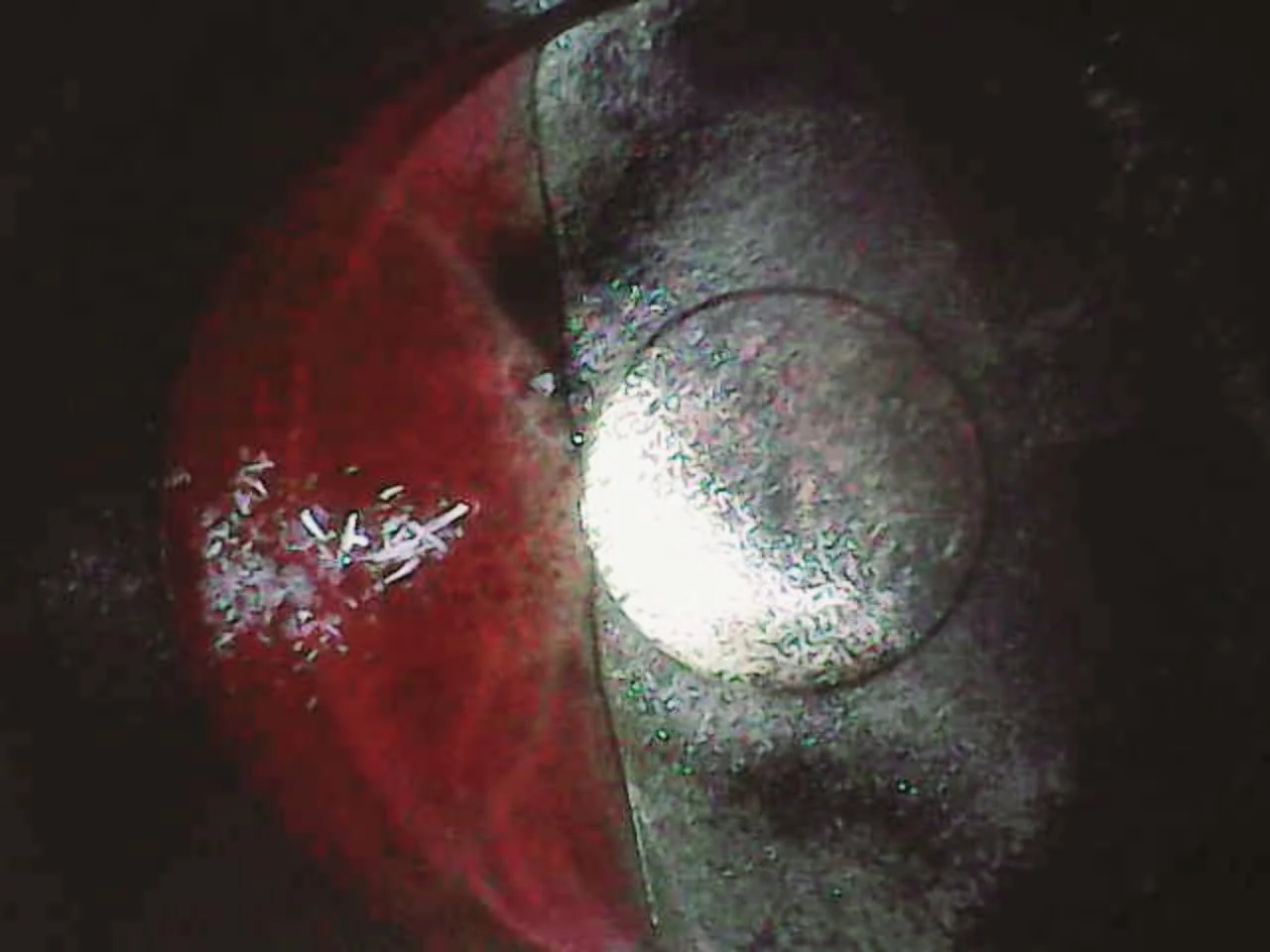
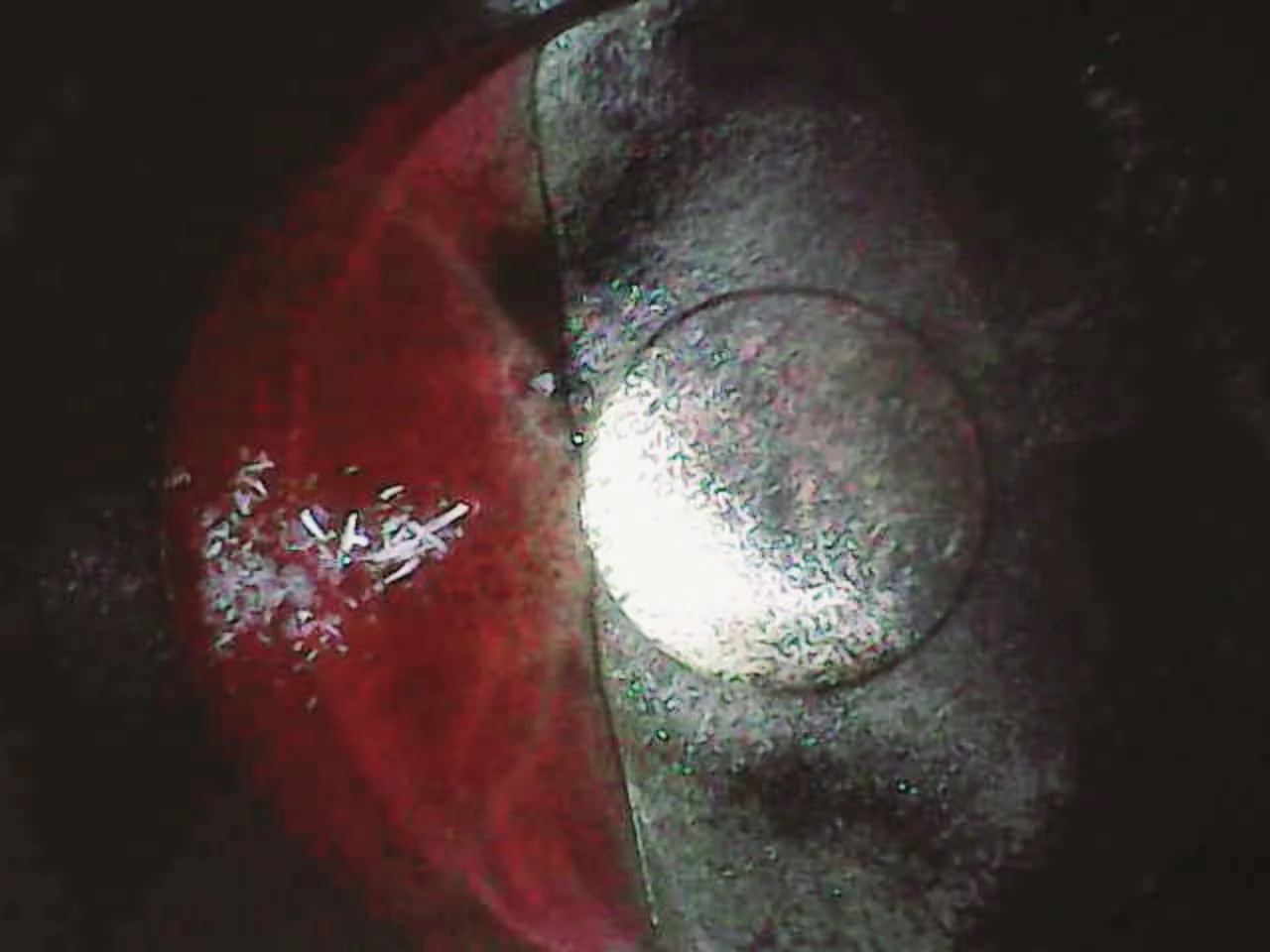
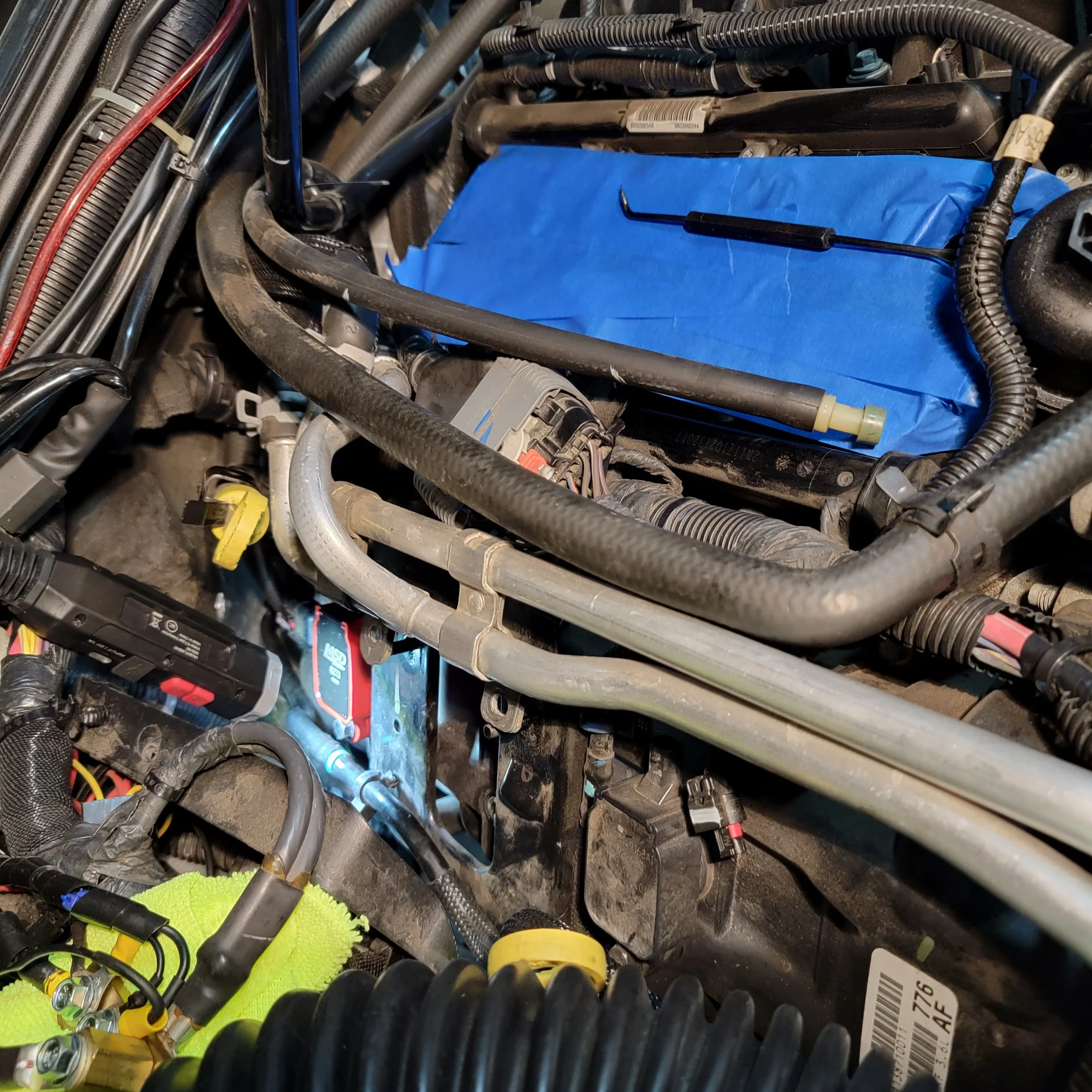
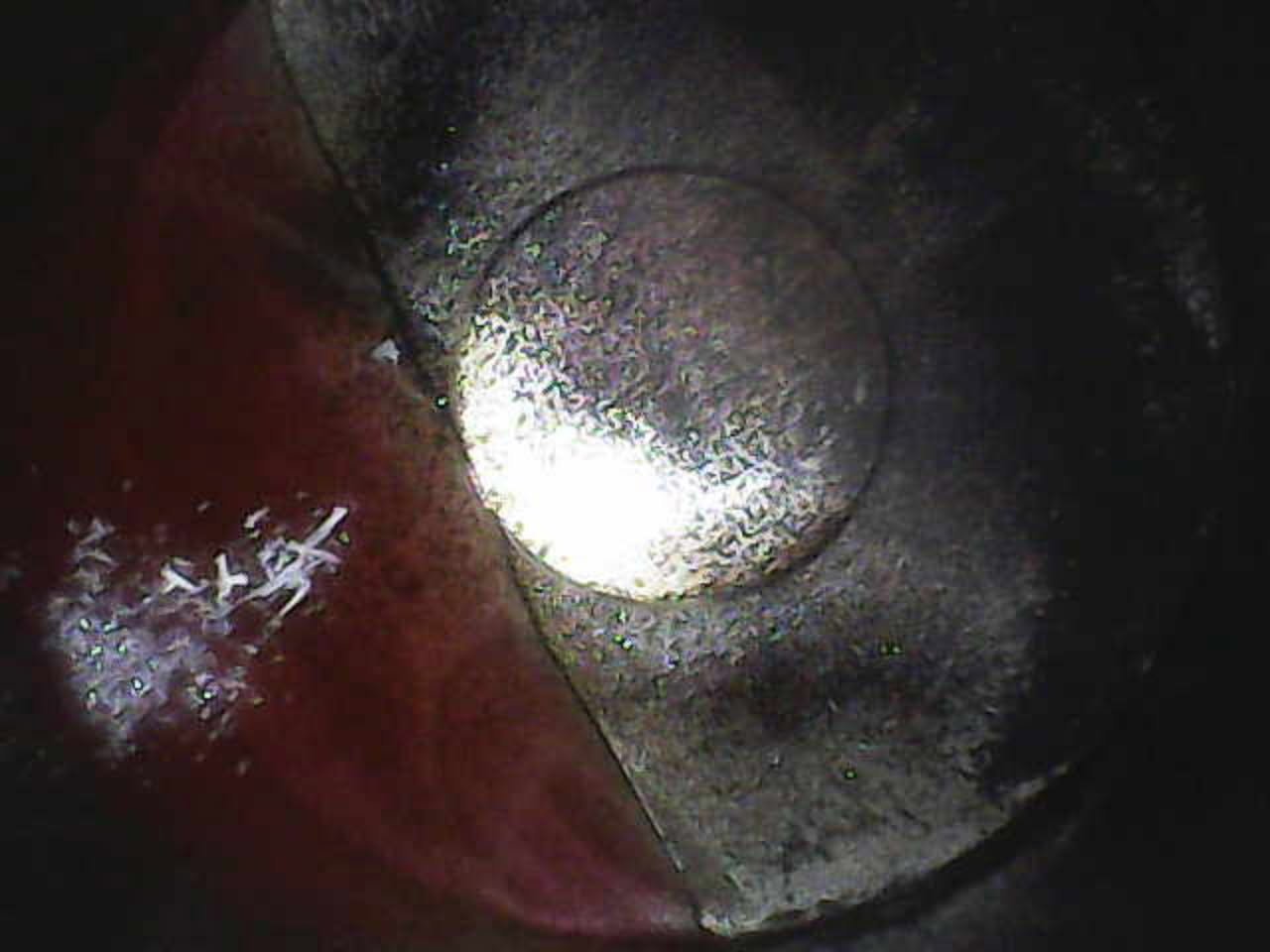
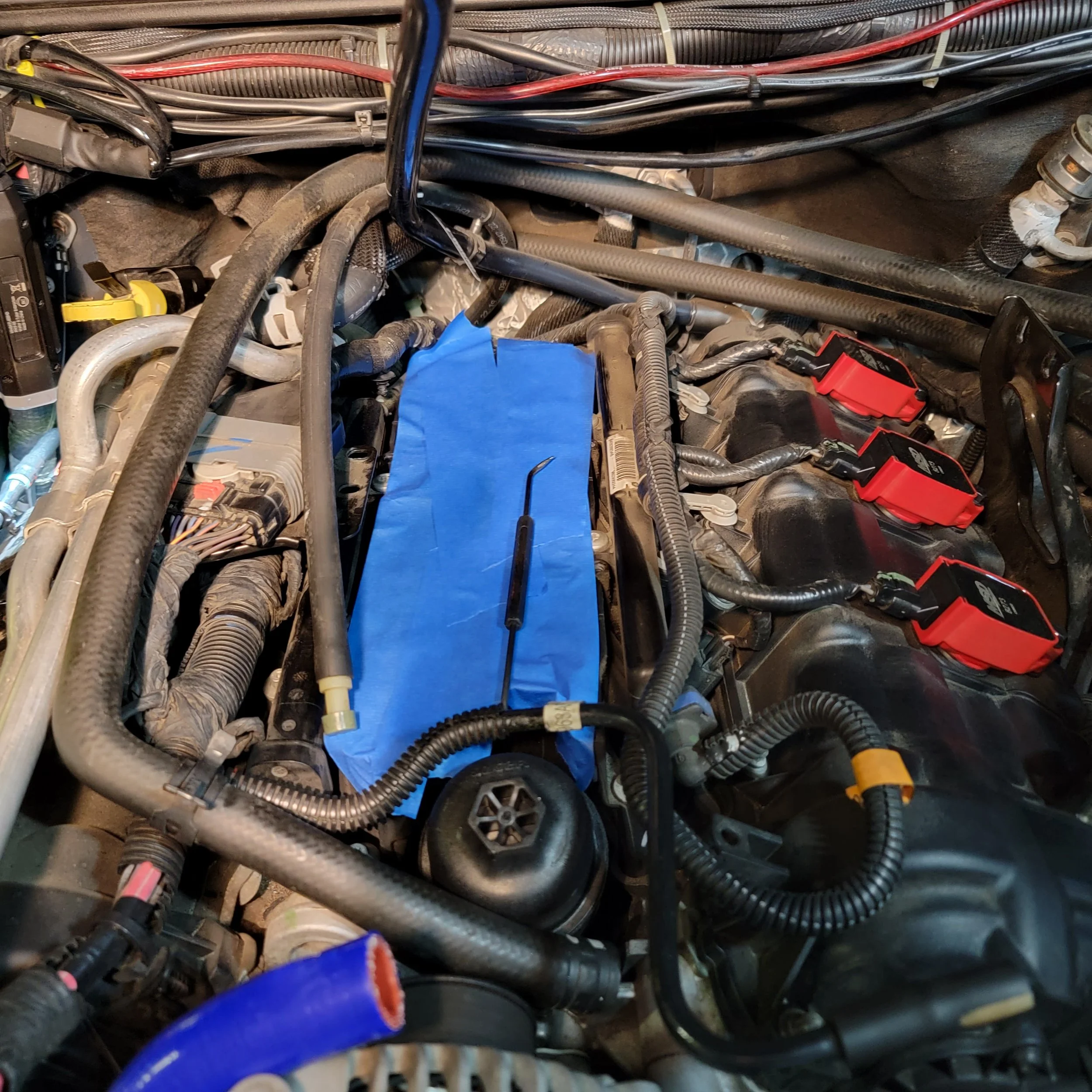
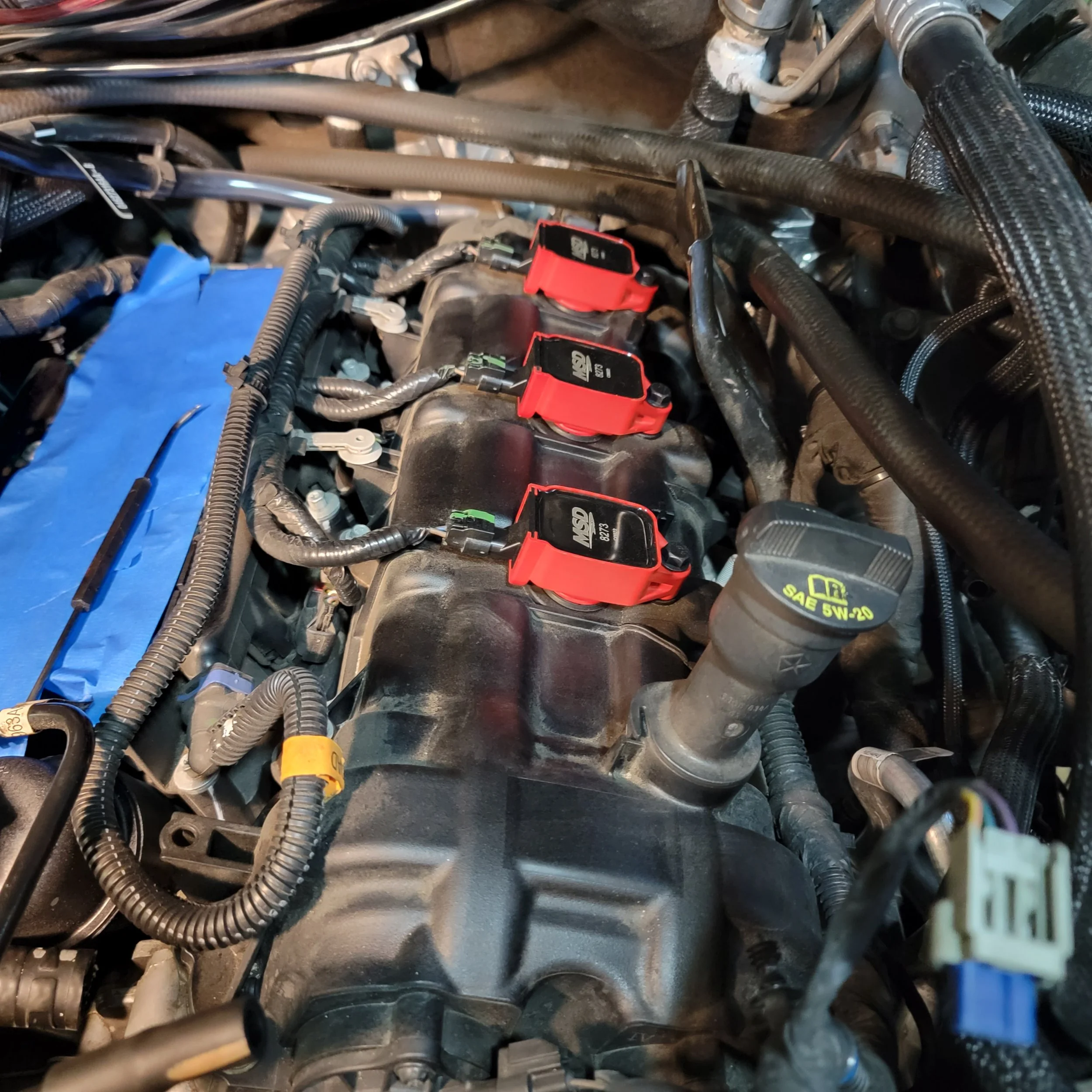
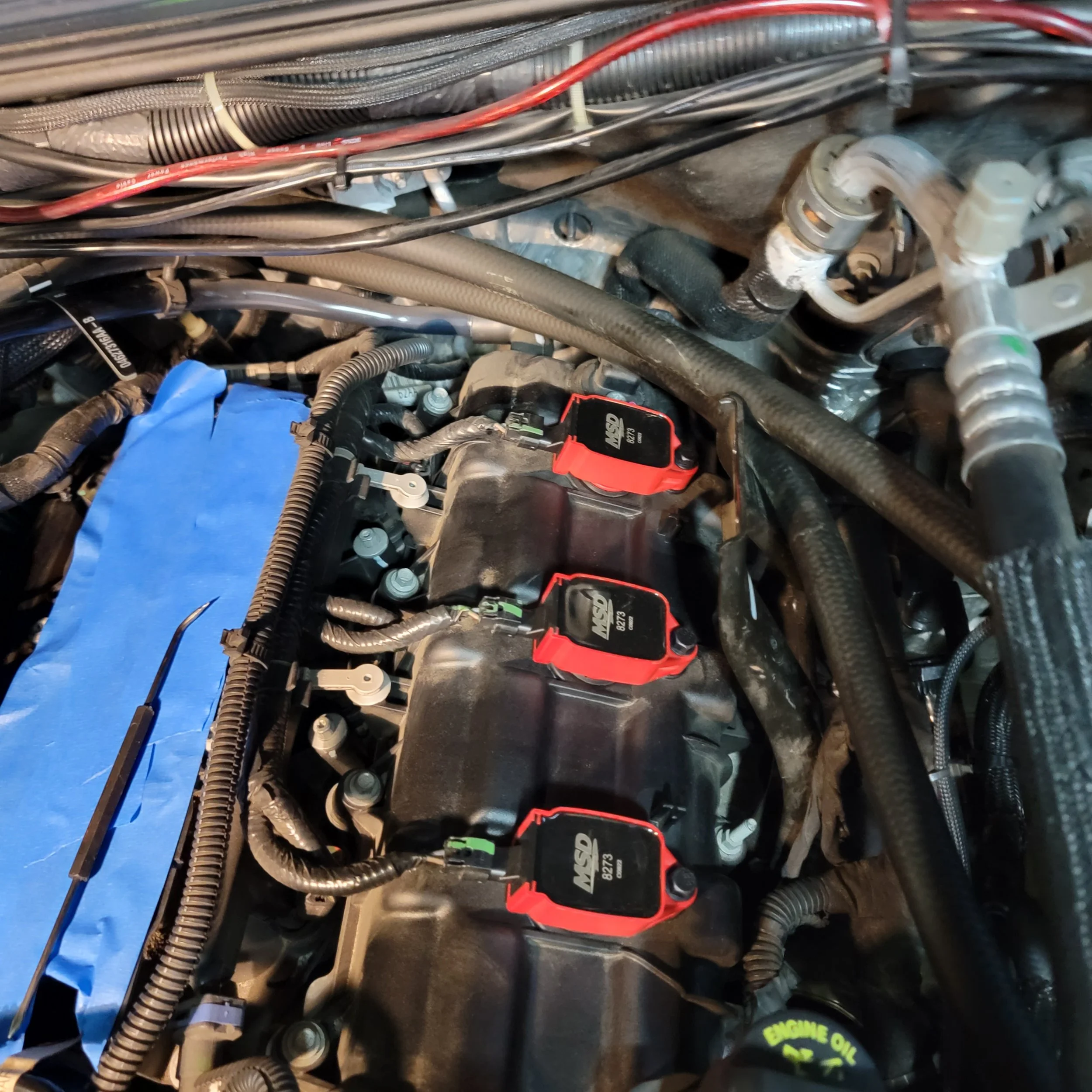
Took it to the dealership and showed them my pictures to spare them a day of diagnosing — I had basically done the work for them already. Two days later the service manager called: “Hey Mario, you’re not going to like this, but the engine is warped and needs to be replaced.” I was like, are you kidding me? I take good care of this Jeep and it had that radiator smell from the very beginning. I bit the bullet and had the engine replaced, and they gave me a four‑year extended warranty on the new engine. It ended up costing me about $8,000 in total.
I came to find out as I dug into the issue and in speaking with other service managers at different Jeep dealerships, the particular engine I had was sand-cast in Mexico, and when they “clean” the sand out they didn’t do a thorough job. They left some sand in the block, which over time will heat up and cause the block to warp. I probably should have suspected I wasn’t the only one with this problem when the service manager told me they had 3.6 engines in stock and had already replaced a few of them.
Stellantis conceals the fact that these specific engines, which were sand-cast in Mexico around 2015–2017, present a recurring problem.
